 Lyrics & Meaning
💡 Meaning & story
Composed by Mohammad Farooq writer Aamir Atta
Meaning and Poetic Analysis of the Ghazal
This ghazal is a beautiful and intriguing blend of human emotions, the yearnings of love, grievances, the bitter realities of society, and finally, an extremely brilliant comedic plot twist. The poet has beautifully expressed serious and sorrowful emotions, only to make the audience smile in the end.
We can understand this ghazal through its various parts and themes:
1. The Yearning of Love and Innocent Desires: In the opening verses, the poet, like a true lover, speaks of his deprivations. He makes no grand demands of his beloved, asking merely for "a moment of joy" and "a brief companionship." He laments the beloved's coldness upon meeting after months, complaining that after such a long time, they should have at least embraced. For the poet, the beloved's eyes are more precious than touring the entire world and all its sights. The most beautiful aspect is that he did not want anyone "like" his beloved; rather, he wanted only his beloved, and no one else.
2. The Pain of Ruin and Infidelity in Love: In the middle verses of the ghazal, the poet's tone becomes somewhat bitter and reproachful. He had handed over his heart, his very self, to the beloved, but this trust was not safeguarded. He is astonished by the betrayer's apathy and sarcastically remarks on how content that person remains even after deceiving him, when they should have died of shame. Love has hollowed out the poet from within, and now, to share the state of his heart, he searches for a "wounded bird" (meaning someone afflicted with grief like himself) who understands the language of pain.
3. Social Tragedies and Bitter Realities: This poetry does not remain confined to love alone; rather, the poet also strikes a deep blow at the selfishness of society.
• The Widow's Grief: In this verse, he shows the reality of society—that when someone's protective shadow is lifted, the relatives have no sympathy for her grief or pain; everyone is only concerned about their share in the house and property.
• The Search for a True Friend: The poet says he never wished for all the people in the world to become good; his desire was merely to find just one "true friend."
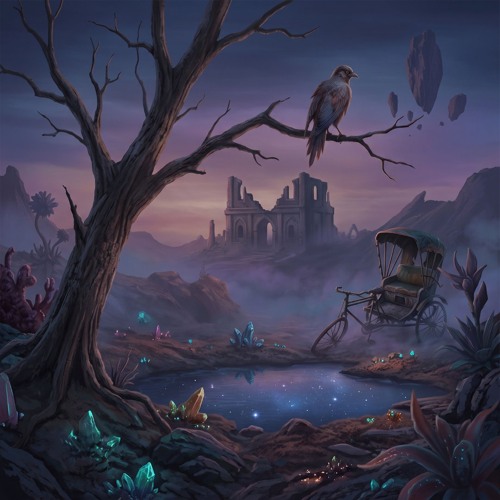
4. The Shocking Comedic Ending (The Punchline): The final verse of the ghazal instantly transforms the entire sorrowful and serious atmosphere of the poem. While describing the failures of love and the world's grief, the poet reveals that, seeing a girl standing on the street, he fell into the delusion that perhaps she was waiting there for his love. But he faced the real world only when he realized she was not waiting for any lover, but merely waiting for a "rickshaw"!
Concluding Words: This ghazal simultaneously makes one weep, forces one to reflect, and in the end, offers a chance for a hearty laugh. The poet has very simply highlighted the difference between human delusions and reality.