 Lyrics & Meaning
💡 Meaning & story
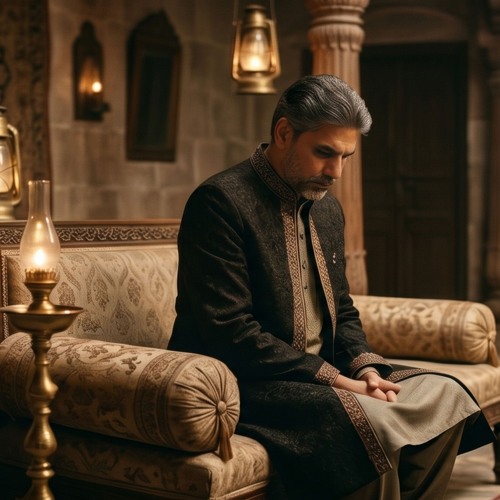
The central idea of this ghazal is the bitterness of love, the complaint of indifference (sorrow at neglect), and the feeling of loneliness. The poet grieves over his beloved's unfaithfulness and coldness, but there is no hatred or anger in this complaint—rather, there is humility, heartache, and regret over his fate. He acknowledges that perhaps there was some deficiency in our own love or personality that prevented us from finding a place in the beloved's heart. Along with this, he also laments the world's heartlessness and the scarcity of those with compassionate hearts.
________________________________________
The meaning and explanation of the verses
There was nothing worthy in us, no memory of you remained; you forgot us easily, yet we could not forget you
• Meaning: The poet expresses humility and meekness, saying that perhaps there was no charm, attraction, or quality in us that would make you remember us. You forgot us quite easily, but our love was true, so try as we might, we could not erase you from our hearts.
________________________________________
You alone could not hear; if anyone hears the tale of my sorrow, who will listen? Whose lips will open if we ourselves could not tell you
• Meaning: Addressing his beloved, he says that only you were worthy of hearing the story of my grief. If you yourself did not listen to me and showed coldness, then who in this world will hear my sorrow? And if we ourselves, out of self-respect or fear of shame, could not reveal the state of our heart to you, then what right does anyone else have to speak on our behalf?
________________________________________
I had come to my senses, I had become overcome with passion; seeing the beauty of the gathering, yet I could not lift my head
• Meaning: The poet says that in the assembly I was fully conscious and aware, and a storm of emotion surged within me to step forward and claim my due or express the state of my heart. But when I saw the nature of the gathering, people's behavior, and my beloved's indifference, shame and prudence left me without the courage to lift my head.
________________________________________
I became the adornment of the gathering; stories remained on my lips, complaints remained in my heart, yet my lips could not move
• Meaning: To show the world, I remained the ornament of the assembly, outwardly laughing and speaking, telling tales and stories so that no one could know my sorrow. Within my heart were countless grievances and complaints against my beloved, but out of respect for my love, my lips would not let these complaints be heard.
________________________________________
Here dwells the yearning for union; here rest questions upon my lips; who here has the courage to meet my gaze?
• Meaning: Here in my heart is an intense longing to be with my beloved, and on my lips rests a plea. Yet such is the honor of my love and the dignity of my passion that no one in this gathering has the audacity or courage to look into my eyes and discern the deep anguish within, or to meet my gaze.
________________________________________
If only there were a messenger who could listen attentively to my words, believe in them upon hearing, and go convey them to her
• Meaning: The poet searches for a true and compassionate messenger who would first hear the state of the poet's heart with care and attention, then believe in the hidden pain, and then deliver this message to the beloved with the same sincere longing.
________________________________________
My humility only increased her anger; now, friend, let her find a cure, friend, one whose wisdom can comprehend it
• Meaning: The more humility and submission I showed the beloved to win her over, the more her anger and displeasure grew. Now this stubborn and displeased beloved is beyond anyone's remedy; only some wise healer whose understanding can fathom this psychology might find a solution.
________________________________________
Those with eloquent tongues are many; there are few with compassionate hearts. Who besides you, O Hafiz, could sing the songs of true sorrow so beautifully?
• Meaning (closing couplet): Hafiz says that the world is full of those who speak eloquently, poets and the silver-tongued, but those who truly feel sorrow and possess compassionate hearts are rare. O Hafiz! Besides you, there is no other who can shape this true anguish of the heart into such beautiful and melodious songs.