 Lyrics & Meaning
💡 Meaning & story
A Ghazal by Nasser Kazmi: Exegesis and Explanation
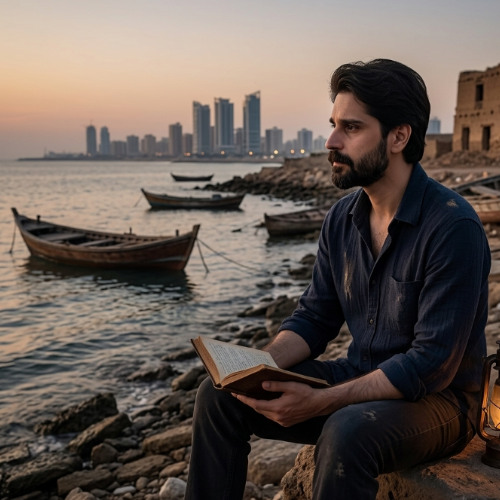
Those who sang upon the shores—where have they gone? Those who sailed the boats—what became of them? Exegesis: The poet recalls those people from the past who were the vibrancy of life. "Those who sang upon the shores" are symbols of joy and art, while "those who sailed the boats" represent labor and struggle. The poet asks: where have these life-filled people vanished?
The morning never arrived—where did it go? Those caravans that were coming—what happened to them? Exegesis: Here there is mention of an unfulfilled dream and political or social change. The bright future (morning) that man had hoped for was lost somewhere along the way. Those people who set out with hopes of betterment have left no trace.
I watch their path all through the night—those who bore the light, what became of them? Exegesis: The poet is trapped in solitude and darkness (hardships) and calls out to those guides or friends who once showed the way in difficult times. Now he cannot see a single guide anywhere.
Who are these people around me—those who kept friendship, what happened to them? Exegesis: Here is mention of the alienation of the present age. The poet sees a crowd of people around him, but among them he cannot find those old faithful friends who knew how to nurture bonds. This is a sharp irony on social indifference.
Those eyes that dwelt in the heart—what became of them? Those lips that smiled—where are they now? Exegesis: This verse is in remembrance of beauty and love. Those faces whose charm sank into the heart and those smiles that made us feel alive—they are now buried beneath the dust of time.
The buildings have turned to ash and burnt away—those who built the buildings, what happened to them? Exegesis: This verse alludes to the destruction of cities (possibly from riots or war). The poet says the material things (buildings) have been destroyed, so be it, but where are those skilled and talented people who created all this?
The empty house asks in its desolation—those who lit your lamp, what became of them? Exegesis: There is no better portrayal of a home's ruin. The silence and desolation of an empty house ask this question: where are those who once filled this house with life and lit the lamp of hope?
We are but a burden upon this earth—those who bore the earth's burden, what happened to them? Exegesis: The poet calls himself and the people of his time useless and purposeless. He says the real people were those who bore others' burdens and brought life to the earth; we merely live as a burden upon it.
Additional Brief Exegesis of Verses
• "Silence stands at the corner of the street...": The city's noise has now turned into terrifying silence, because those spirited people are no more.
• "All the trees have been touched by autumn...": There is now stagnation and withering in society; those people who brought the freshness of spring have departed.
• "Those whose conversation made flowers fall...": There is mention of the lack of eloquent and cultured people, in whose gatherings to sit was an honor.
• "This heart has now become like a tomb...": Finally the poet speaks of his inner state—his heart has become a graveyard of memories, where now there is no one left to build a new dwelling.
Summary: This ghazal reflects Nasser Kazmi's particular anguish that arises after the Partition of India or any great migration. In it, the "search for lost people" is a metaphor for anyone who has lost their loved ones and their old civilization.