 Lyrics & Meaning
💡 Meaning & story
This is an extremely bitter, fearless and emotionally tormented ghazal (or poem-like verses) by Joon Elia. Joon Elia is known in his poetry for existentialism, disillusionment and self-inflicted pain, rather than traditional romanticism.
The interpretation of this composition can be understood in the following points:
Central Theme
The fundamental subject of this ghazal is not the failure of love, but the absurdity of love itself. The poet, rather than sympathizing with his beloved, wishes to see her as an equal participant in his suffering, because he himself is in such mental torment that he has neither his own identity nor knowledge of his beloved's.
Interpretation of the Verses
1. Facelessness and Absurdity:
You do not even know who you are / I do not even know who I am within you
Joon speaks here of the crisis of human existence. He says that we are strangers to each other, but we are also strangers to ourselves. This relationship has become merely a burden without purpose or identity.
2. Sadism:
You cough up blood and I am gladdened by it / Remain thus in this hue and manner, cunning still
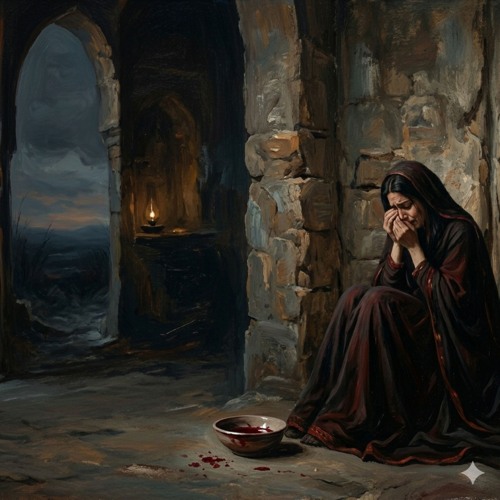
This is the most controversial and shocking verse of the ghazal. Here the poet expresses joy at his beloved's illness or suffering (a symptom of consumption/tuberculosis). This joy is not born of enmity, but from the feeling that you too have become part of that same destruction and suffering in which I am burning. He wishes to see her "cunning" even in this state.
3. Denial of Godhood:
I am not God of the earth you stand upon / So remain forever in torment and affliction
The poet clearly states that I am no savior or solver of troubles. I do not have the power to change your fate, therefore your destiny is only suffering and sorrow, and you must remain in it.
4. Love is Not the Path to Salvation:
When did I ever say that salvation lies in love / When did I ever say remain faithful
Traditional poets speak of love as peace and salvation, but Joon says the opposite—that love is no refuge. He frees his beloved from the burden of loyalty, but in a bitter manner.
5. Helplessness and Disillusionment:
Since I could not give you the joy of love / Nor comfort in sorrow, companionship ever
Here the poet admits his inability—that he could neither give happiness nor be a support in pain. When he himself is broken from within and his "lamp of desire" is at the mercy of wind and circumstance, how can he illuminate another's life?
6. Deprivation of the Right to Love:
Then you have no right to love me / You have no right to suffer alone
In the final section, he presents a strange logic: since I can do nothing for you, you too have no right to be ruined in my love or sit alone in sorrow. This is a kind of declaration of "renouncing love."
Summary
This ghazal by Joon Elia is the narrative of an anti-hero. He acknowledges himself as "merciless" and advises his beloved that nothing will come from this futile love, except that she will lose her pride and dignity in the marketplace of love and become impoverished.