 Lyrics & Meaning
💡 Meaning & story
Poem: "If Spring Came Again" – A Brief Explanation
This poem is a captivating portrayal of the spring season and the festival of Basant. The poet has woven together nature's transformations, human emotions, and the culture of the Indian subcontinent in a most beautiful manner.
1. The Arrival of Spring and Joy
At the beginning of the poem, the poet tells us that the harshness of autumn has ended and with the arrival of Basant, the universe has changed its colors. Flowers have bloomed and there is freshness everywhere. The poet invites us to go to the banks of the river Ganges to relish this transformation.
2. Nature's New Form
As spring arrives, new shoots and sprouts burst forth from the earth. There is greenery everywhere, as if the trees have donned green garments. The animals of the fields and the birds of the gardens, who were huddled in the cold, now chirp merrily and the pulse of life races through every living being.
3. Mustard Fields and Springtime Colors
The distinctive mark of Basant is the yellow flowers of mustard. The poet says that the mustard blooms so abundantly, swaying as if it has no sorrow and will forever remain so verdant and joyful.
4. Kite Flying and Childhood Memories
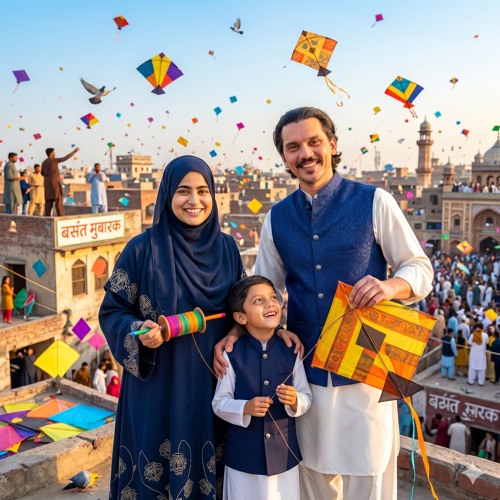
The poet has also mentioned the traditional sport of kite flying associated with Basant. The sky is filled with kites, and boys compete with one another. Some are saddened when their kite is cut, while others burst into laughter at their victory. This scene evokes memories of childhood's mischief and delights.
5. Love and Separation
The conclusion of the poem is somewhat emotional. The poet says that where there is joy everywhere, in the realm of love some hearts remain sorrowful. A beautiful maiden has adorned herself with yellow flowers in honor of Basant, but her beloved is not by her side, and so her happiness is incomplete and she drowns in sorrow and despair.
________________________________________
Conclusion:
This poem teaches us that joy and sorrow are part of life. Where nature's beauty and the bustle of festivals enchant the heart, the human heart has its own separate world, one that is composed sometimes of the joy of union and sometimes of the pain of separation.